
Why Is Stainless Steel Powder So Popular in Metal 3D Printing?
Metal 3D printing has moved beyond the initial excitement. It now helps factories meet real production needs. These include faster production, fewer tool changes, and stronger parts.
As machines and controls got better, engineers started to trust the printed parts more. They saw that these parts were strong and consistent.

Most metal 3D printing materials work in a similar way. A powder is shaped, then a high-energy event turns it into solid metal. This can be done with a laser, an electron beam, or a binder followed by sintering.
Stainless steel metal powder is a standout choice. It has strong corrosion resistance and reliable mechanical properties. It also has familiar post-processing steps like machining and heat treatment.
316L is a favorite for many because it balances toughness, weldability, and surface finish. This is why stainless steel powder is often chosen for production, not just for testing.
It's great for parts that need to handle wet conditions, chemical exposure, and daily wear. Easify Additive specializes in reliable metal powders and practical printing methods. They help manufacturers confidently move from prototypes to functional parts.
Stainless steel powder for 3D printing, Metal additive manufacturing materials
Most metal printers start with powder, not wire. Stainless steel powder is key in the US today. It's chosen for its layer control, flow, and density.

Why powder-based feedstock dominates metal 3D printing
Powder is better because it can be layered easily. Metals melt at high temperatures, making wire hard to use. Powder keeps the build area safe from damage.
Wire-fed methods can leave rough surfaces. They also cause stress and warping. Powder is the better choice for many.
High-energy events that make metal powder become solid metal parts
Turning powder into solid metal needs a lot of heat. Plastics melt at 200–400°C, while steels melt at 1100–1400°C. This is why lasers and electron beams are used.
- During-print fusion uses lasers to melt and solidify metal. It's precise but can cause stress.
- After-print sintering shapes the part first, then fuses it in a furnace. This method slowly heats up to bond particles.
Loose powder vs. bound powder in industrial stainless steel powder workflows
Loose powder is used in fast shops for dense parts. It's flammable and risky, so safety measures are key. These include controlled handling and ventilation.
Bound powder is safer for filament systems. It's less flammable but needs debinding and sintering. Both aim for stable and repeatable results in metal 3D printing.
Key material advantages of stainless steel metal powder for functional parts
316L stainless steel is a top choice for many projects. It's strong and prints well, making it perfect for complex shapes. This combination is why stainless steel parts are becoming more common in production.

Corrosion resistant metal powder performance in harsh environments
316L is great for areas where other metals fail. It resists corrosion from seawater, salts, and more. This means less downtime and better performance for users.
High strength metal powder behavior after printing
After printing, 316L forms a strong, dense structure. It keeps its strength and hardness, even when hot. This makes it ideal for parts that face high temperatures.
Excellent printing performance for dimensional accuracy
316L is easy to melt, leading to smooth layers. It prints accurately and consistently. This reduces waste and supports eco-friendly goals.
Biocompatibility for stainless steel powder applications in healthcare
In healthcare, 316L is key for implants. It's safe for long-term use and has a low allergy risk. It's used in hip joints and dental work, ensuring stability in the body.
Metal 3D printing stainless steel processes that commonly use stainless steel powder
Most industrial methods start with stainless steel metal powder. They shape it layer by layer. Then, a high-energy step turns it into solid metal.
Some systems apply energy during building. Others do it after, during sintering.
This mix-and-match approach meets different needs. It supports everything from precise tooling to production-ready parts. The chosen process affects density, surface finish, speed, and post-processing.
Selective Laser Melting for dense stainless steel 3D printed parts
Selective Laser Melting (SLM) is a top choice, making up about 80% of metal 3D printer demand. A laser scans the powder bed layer by layer. Each pass melts and solidifies the powder into the desired shape.
SLM produces parts that are almost fully dense. They have strong mechanical performance. But, fast fusion can cause internal stress. Heat treatment is often needed to stabilize the parts.
Binder jetting for metal powder for small batch production and scale-up
Binder jetting works in a powder bed but doesn't melt it during printing. An inkjet head deposits binder to glue selected areas, building the shape layer by layer.
The real “metal moment” comes later. After printing, parts go through binder removal and sintering. This densifies the stainless steel powder into a solid component. This method is great for small batch production and scaling up.
Metal FDM-style routes using powder-filled feedstock
Metal FDM-style systems use a filament or rod with metal powder and a polymer binder. It's about 80% metal and 20% plastic. Printing is familiar to many, similar to standard FFF.
After printing, debinding removes the polymer. Then, sintering densifies the remaining powder. Shrinkage is expected, so designers plan for it early. Handling is simpler than loose powder, but it adds more steps.
EBM and other high-energy melting options
Electron Beam Melting (EBM) uses an electron beam instead of a laser. It runs in a vacuum chamber to limit impurities.
EBM is faster than SLM but might have less surface smoothness and detail. For stainless steel 3D printing, this means a stronger need for machining or finishing for tight fits or clean surfaces.
Industrial stainless steel powder applications across aerospace, medical, automotive, and chemical processing
In the U.S., 316L is a top pick for complex projects needing to last a long time. It's great for thin walls, internal channels, and precise details. Shops use it for builds that require a smooth finish and high density.
In aerospace, 316L is used for parts that face tough conditions like heat, pressure, and moisture. It's used for hollow brackets, grid frames, and combustion chamber pipes. These designs help reduce weight while keeping parts strong where needed.
Automotive teams also pick metal powder for parts that are hard to make with traditional methods. They use it for turbocharger housings, exhaust parts, and brake components. The goal is to fight corrosion, which is a big challenge in harsh environments.
In medical manufacturing, 316L is key for making custom parts quickly. It's used for implants and surgical tools, like bone plates, bone nails, and hip joints. These parts need to be clean and consistent during the printing and finishing process.
- Chemical processing uses 316L for tough pipes, valves, and reactor parts.
- Tooling teams 3D print molds and equipment with detailed designs.
- Injection and die-casting molds get internal cooling channels to improve efficiency and extend their life.
Choosing stainless steel powder for reliable printing performance and part quality
When does metal become solid in 3D printing? This question is key when picking stainless steel powder. Some methods melt the powder during printing, while others create a "green" part first. This choice impacts density, surface finish, and cleanup needs.
Match powder and process to the required post-processing path
Laser and e-beam fusion use intense heat, making parts nearly full density. But, this can also introduce stress that needs heat treatment. If you need precise parts, plan for stress relief and machining from the start.
For binder and bound-powder methods, stainless steel powder is just the beginning. You'll need to remove the binder and then fuse the particles through sintering. These steps can lead to results similar to MIM, but the final properties depend on furnace settings and part shape.
- SLM: high density and strong detail control.
- EBM: faster builds, but with rougher surfaces and lower precision.
- Binder-based: efficient for volume, with outcomes driven by debinding and sintering.
Safety, handling, and facility planning for loose powder
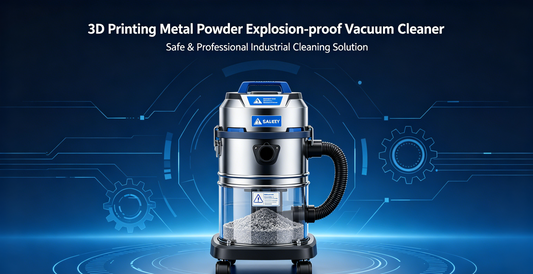
Many metal 3D printing materials are safe with proper handling. But, loose stainless powder requires extra caution. It can be flammable, and dust can irritate the lungs. Ensure controlled storage, good housekeeping, and proper PPE.
Bound powders are less dusty and less flammable, making daily handling easier. But, they extend the workflow due to debinding and sintering steps.
Design considerations for shrinkage and density targets
Design rules change with the process. In sinter-based workflows, expect shrinkage and plan features around it. Some powder-plus-polymer filament approaches can lose up to one-third of their volume after processing. Uniform wall thickness and smart support planning help reduce distortion.
Density targets also depend on the chosen route. Metal 3D printing with melt-based systems can achieve very high density. Sintered parts depend more on time, temperature, and how the shape allows gases to escape. When choosing stainless steel powder, match the spec sheet to your planned print geometry.
Easify Additive approach to industrial-grade metal powders and practical production workflows
Easify Additive focuses on reliable, industrial-grade metal powders and efficient workflows. Their stainless steel powder ensures consistent results, making production smoother. This is key for jobs that need to meet exact standards every time.
In real-world settings, the success of stainless steel powder for 3D printing depends on the process. High-energy melting needs precise control, while sinter-based methods rely on the furnace cycle and post-processing steps. Easify Additive aligns powder choice with these processes for better results.
Planning for production involves more than just the initial steps. Handling loose powder requires clear guidelines, clean transfer steps, and proper PPE. When using debinding and sintering, designs must consider shrinkage and density to ensure parts meet specifications.
This approach helps stainless steel metal powder move from prototypes to functional parts. The next step is to connect material selection, process settings, and post-processing for consistent quality. Easify Additive aims to support manufacturing teams in scaling their production with confidence.
FAQ
Why has metal 3D printing moved from hype to real manufacturing?
Metal 3D printing has grown up. Machines, process control, and material quality have improved. This has led to more consistent results and stronger parts, making it ready for production.
Do most metal 3D printing methods use metal powder or wire?
Most use metal powder, not wire. Powder allows for precise detail and is why stainless steel powder is so popular.
What does “high-energy event” mean in metal 3D printing stainless steel?
It's when stainless steel powder turns into a solid part. Metals melt at high temperatures, so special energy like lasers is needed.
Why can’t metals be extruded like plastic filament?
Metals melt at very high temperatures. Nozzles can't handle this without getting damaged. Powder systems avoid this problem.
What are the drawbacks of wire-fed, welding-style metal printing?
Wire-fed methods can leave rough surfaces. They also cause parts to warp, which is a big problem.
When does the high-energy step happen—during printing or after printing?
There are two ways. Some methods melt powder during printing, while others fuse it in a furnace after. Both can affect the part's strength.
How does sintering turn stainless steel powder into a strong part?
Sintering heats the powder slowly. It burns away binder and fuses particles together, creating a strong part.
What’s the difference between loose powder and bound powder workflows?
Loose powder is common but poses risks. Bound powder is safer but needs extra steps to become metal.
Why is stainless steel powder such a practical choice for production parts?
It's durable, resistant to corrosion, and cost-effective. It's a reliable choice for production.
Why is 316L stainless steel powder so common in metal additive manufacturing materials?
316L is durable and resistant to corrosion. It's also easy to melt and forms a strong, uniform structure.
What makes 316L a corrosion resistant metal powder?
316L resists many corrosive substances. This makes it ideal for harsh environments.
How does 316L perform for strength and heat resistance after printing?
316L retains strength and hardness after printing. It also performs well at high temperatures.
Is 316L stainless steel powder suitable for medical use?
Yes, 316L is biocompatible and safe for implants. It's used in medical implants and customized parts.
Which process is most common for metal 3D printing stainless steel?
Selective Laser Melting (SLM) is the most common method. It creates strong parts but may need heat treatment.
How does binder jetting work with stainless steel metal powder?
Binder jetting uses a powder bed but doesn't melt it. It bonds layers together and then sintered to become metal.
What is metal FDM/FFF with powder-filled feedstock?
Metal FDM uses a powder-injected filament. After printing, the polymer is removed, and the part is sintered. It can shrink a lot, so careful planning is needed.
How does EBM compare with SLM for stainless steel 3D printed parts?
EBM uses an electron beam in a vacuum. It's faster than SLM but has lower surface smoothness.
Where are industrial stainless steel powder applications most common?
It's used in aerospace, automotive, medical, and chemical processing. Examples include aerospace brackets, automotive parts, medical implants, and industrial components.
How do I approach choosing stainless steel powder for my process?
Match the powder to your process and post-processing. Fusion-based routes need heat treatment, while sinter-based routes require debinding and sintering. Consider density, surface finish, and tolerance.
What safety measures are needed for handling stainless steel metal powder?
Loose powder can be flammable and pose respiratory risks. Controlled environments and PPE are needed. Bound-powder systems are safer but require careful handling and debinding/sintering procedures.
How do shrinkage and density affect final part quality in sinter-based routes?
Sinter-based workflows can shrink a lot. Designs must account for scaling factors. Final density affects strength, sealing, and accuracy.
What does Easify Additive provide for stainless steel powder workflows?
Easify Additive offers reliable metal powders and practical printing solutions. They help teams move from prototypes to functional parts with confidence.
What should I evaluate before ordering industrial stainless steel powder?
Check if the powder fits your process and post-processing needs. Confirm facility readiness for powder handling. Ensure the powder meets your application requirements.
Previous
What Are the Most Common Metal Powders Used in Metal 3D Printing?
Next
From Powder to Precision: How 3D Printing Metal Powder is Reshaping High-End Manufacturing